
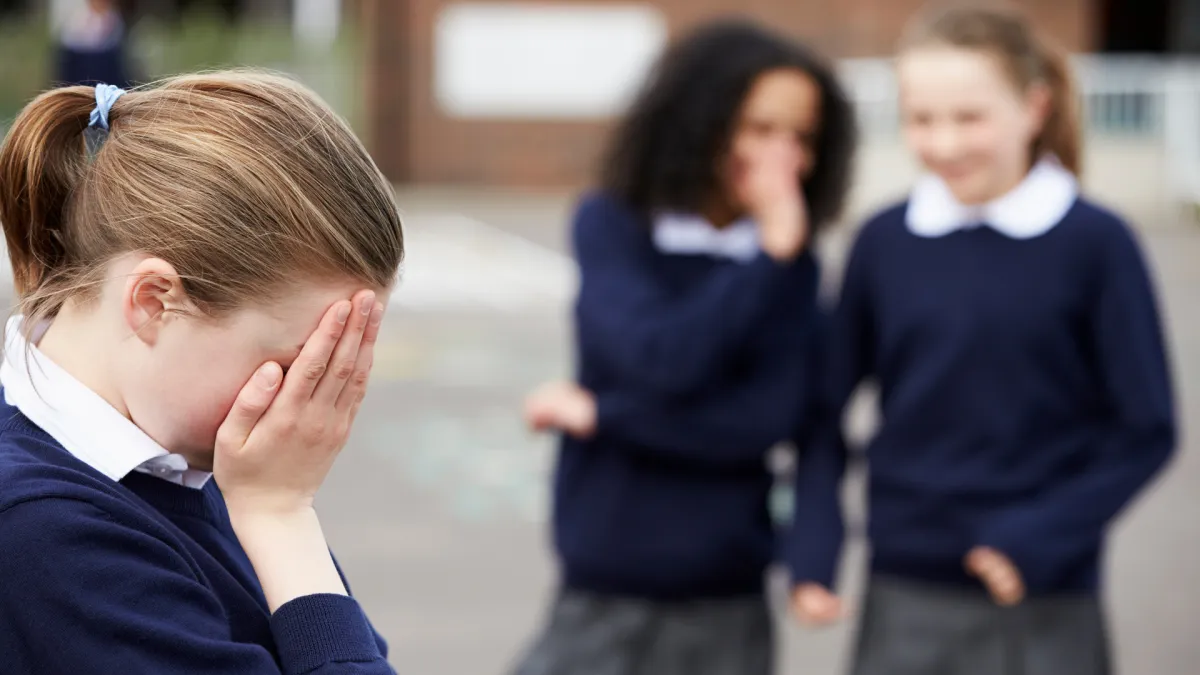
Does Your Child Have a Deep Fear of Rejection or Abandonment?
“My child has experienced school bullying.
Even though she changed schools and it seemed better for a while, she’s now stopped attending this new school too.”
— Jodie
Busy Parent Snapshot
When your child has been bullied or excluded, it can leave invisible scars, emotionally, socially, and psychologically.
What looks like school refusal or emotional outbursts at home often comes from a deep fear of rejection and not feeling emotionally safe.
Unfortunately, most schools respond with surface-level fixes like consequences or “just ignore them” advice, which can make things worse, especially for sensitive kids.
💛 Learn why this fear runs deeper than you think
⚡ Discover why most school responses miss the mark
✨ Get 7 steps to help your child feel emotionally safe, empowered, and heard
I met Jodie this week, and after listening to her story, I decided to write this blog for the many parents navigating similar situations.
Truthfully, I hear this too often. It’s one of the most common concerns in anxious kids and one of the reasons I left the school system.
Why Most School Responses Fall Short
In my experience, most schools struggle to address these challenges effectively. That’s because they rarely explore the root cause, in the children involved.
Instead, the common approach is this: the so-called bully is given a consequence or “firm talk,” and the child feeling hurt is counselled by a well-meaning teacher who often tells them to ignore the mean kids.
Arrrggghhhh! The trouble is, this advice usually makes things worse.
Punishment and control can backfire by fuelling shame or resentment, especially if it’s not handled by a truly skillful adult who leaves no stone unturned.
And advising a child to ignore bullying? That usually translates to either shying away or passively aggressively ignoring the person who was mean to them, neither of which empowers them to stand up for themselves in a confident, respectful way.
💡 Takeaway #1
Children don't need to "toughen up."
They need to feel safe, understood, and supported.
What's often dismissed as a drama or overreaction is usually a deep cry for connection and safety.
What Your Child Might Be Carrying
Let’s unpack this a little further.
Most school-aged children's greatest fear is being rejected or abandoned by their peers.
They want to be accepted.
They want to be free to be themselves.
Before starting school, most children feel loved by their primary carers and have no reason to lack trust in others.
Then often, things change.
They now have to face issues they’ve never faced before.
Kids, who they considered their friends, can turn on them and start saying and doing mean things to them.
Whether this happens for a young child or a teen, it can shake their entire world.
After this kind of event it's common for them to feel emotionally, psychologically and even physically unsafe in the presence of the “mean kids.”
And too often, we underestimate just how deep this cuts especially for sensitive souls.
If these situations aren’t handled with skill, empathy, and care, the consequences can be long-lasting.
7 Steps to Support a Child Facing Rejection or Bullying
1. Provide a safe environment
Your child needs a space where they feel truly safe to share their situation with a trusted adult who knows how to handle these situations effectively.
In my 36 years supporting families and working in schools, I’ve met very few adults who’ve been specifically trained to navigate conflict in a way that leads to healthy, empowering outcomes for both parties.
Too often, kids internalize stress because they’re afraid to share what’s happened or they bottle it up all day at school and release it like a firehose the moment they get home.
2. Notice the warning signs
Being tired or hungry is one thing, but mood swings, avoidance, or outbursts often indicate something deeper.
When you notice behaviour changes in a young person, you need to look beyond the surface and get curious about what’s possibly going on underneath.
Kids don’t retreat, avoid or become disruptive for no reason.
The same goes for kids being unkind to others. There’s always something beneath that too.
Remember this: hurt people hurt people.
Perhaps your child has been masking all day at school and you're noticing they’ve become moody and they’re lashing out at home.
Or perhaps their teacher has reported a change in your child’s behaviour at school.
💡 Takeaway #2
You’re usually the person they feel safest expressing their emotions to.
And that’s why it comes out the way it does.
If your child is offloading at you or shutting down, it’s not disrespect, it’s a release.
3. If this is happening, take a deep slow breath and do your best to remain open, curious and non judgmental.
There’s likely something going on and for some reason your child may be afraid to mention it.
Or perhaps they’re spurting it all out onto you like a firehose at the end of the school day which can feel overwhelming for both of you.
4. Validate your child’s feelings before jumping into ‘fix-it’ mode.
It can be tempting to move straight into offering advice or trying to solve the problem—but doing so too quickly can make your child feel unheard.
Similarly, saying things like “Don’t worry about what they say or do” might seem reassuring, but it can actually invalidate their need for acceptance and their fear of rejection.
Instead, try starting with something gentle and open-ended:
“I’ve noticed you’ve been a bit quiet lately. Are you OK?”
“That sounds like a lot to deal with in one day. How are you feeling about it all?”
Depending on their response, you might follow up with:
“Would you like me to support you with this, or have you got it covered?”
Also, be mindful of saying “I understand.”
Unless you can share a specific experience that your child can relate to, this phrase may come across as dismissive.
Many kids feel like adults don’t truly know what it’s like for them, and saying you understand can sometimes increase their frustration.
5. Check in with your child to see if they already have a plan or if they’d like your support in resolving the issue.
This is a valuable opportunity to offer guidance without taking over.
Giving your child clarity and agency helps build their problem-solving skills and resilience, rather than leaving them dependent on you to step in and rescue them.
Your role here is to act as a trusted guide, someone who walks beside them as they learn to navigate tricky friendship dynamics with more confidence.
In doing so, you’re helping them gently face and work through any underlying fears of rejection or abandonment.
6. Consider whether it would be worthwhile informing relevant staff at your child’s school.
I often see families trying to resolve things on their own, hoping it will settle down, but the issue quietly continues in the background.
Your child deserves to feel safe and supported, and that means knowing the key adults in their school environment are genuinely on their side.
The earlier concerns are addressed, the better the outcome.
So if your child is struggling to manage things on their own, don’t hesitate to respectfully advocate for them.
You’re not interfering, you’re reinforcing their circle of support.
7. It’s important to remember: bullying is repeated, unwanted behaviour that continues after someone has been asked to stop.
One of the most powerful things we can teach our kids is how to say “no” and stand up for themselves in a respectful, assertive way.
But just as important is making sure they feel safe enough to ask for adult support when they need it.
If a child stays silent and there’s no effective intervention, the behaviour is likely to continue.
Over time, this can leave your child feeling anxious, powerless, and stuck in a victim cycle where they’ve unintentionally handed their power over to others.
💡 Takeaway #3
We can’t shield our kids from every challenge, but we can give them the tools to face them.
Support isn’t about solving everything.
It’s about walking beside them as they learn to rise.
💛 Ready for deeper support? Let’s walk through it together.
If this blog resonated with your current parenting challenges, I’d love to offer you a free class designed just for parents of anxious or sensitive children.
▶️ Watch now:
In just 90 minutes, you’ll learn the exact framework that helps reduce anxiety, rebuild emotional safety, and guide your child through tough friendship issues and school fears—without relying on outdated strategies like punishment or pressure.
🎥Access the free class here
You’ve got this.
With care,
Sue :)
🎯 Action Steps
💬Check in gently
Ask open-ended questions. Notice tone, body language, and behavioural shifts.
🧘♀️Validate before solving
Try: “That sounds tough. Do you want to talk, have some space or just be with me right now?”
🛠Empower them to lead the solution
Ask: “What do you think would help next?”
🤝Respectfully advocate at school if needed
Don’t wait too long. Early support prevents long-term anxiety.
🌱Model calm and clarity
How you handle emotions teaches more than any advice.