
Are You Unintentionally Invalidating Your Child? How to Respond with Empathy & Support
Busy Parent Snapshot
When your child is anxious, avoids school, or obsesses over what others think, it’s not overreacting it’s a cry for connection.
Often, in an attempt to soothe or fix, we unintentionally invalidate their feelings.
And when kids feel dismissed, they shut down or push back harder.
The good news?
Emotional validation is a skill you can learn and when you lead with empathy instead of logic, your child feels safe enough to open up.
💛 Understand what emotional validation really means
🧠 Learn why logic doesn’t work when anxiety takes over
✨ Get practical phrases and steps to support your anxious child with calm and confidence
Just the other day, I was talking with a father whose teenage daughter is highly anxious and overwhelmed about attending school. He shared:
“I keep telling her not to worry about what other people think, but nothing seems to change. She still lets it get to her.
On free‑dress day, she took so long to get ready she almost didn’t go. By the end of the day someone made a nasty comment about her pants, which crushed her. Now we can’t even get her to school.”
— Tony
My heart goes out to Tony and to all the parents and kids navigating the daily pressures of school, peer judgment, and self‑esteem.
When I was teaching, I watched how “free‑dress” days often became pressure cookers, especially for students already sensitive to judgment. Many told me they saw those days as “judgment days.”
Imagine how heavy that burden feels when you’re already feeling vulnerable.
If you have a tween or teen who’s anxious about fitting in, I invite you to lean in with empathy.
Their feelings are valid even when you wish they weren’t so heavy.
Let’s explore how to respond with emotional connection, rather than dismissiveness, so your child can feel seen, heard and safe before you offer guidance.

Hear and see your child through your heart. 💛
💡 Takeaway #1
When your child is anxious, they don’t need quick fixes or logic, they need to feel emotionally seen.
Validation doesn’t mean you agree, it means you're attuned to how much it matters to them.
That’s what makes them feel safe enough to open up.
1. Validate First, Reason Later
Emotional validation means acknowledging your child’s internal experience—not agreeing with everything, but saying, “I see you. You matter.”
Here are validating phrases you can try:
“I see that you want to feel confident around your friends. That makes sense.”
“I’m hearing you want to feel comfortable with what you wear to school today.”
“I hear that you’re stressed about what to wear. Would you like help, or do you want to pick what to wear yourself?”
“Would extra time this morning help you feel less pressured?”
“Your hair being neat for school really matters to you, I get that.”
“This is hard for you, isn’t it?”
“I can see this is important to you. Is there anything I can do to support you right now?”
These statements validate - they create space. They tell your child you’re tuned in, rather than dismissing how they feel.
2. Why Logic Often Fails When Anxiety Rules
When your child is anxious or stressed, their survival brain is driving responses.
Their executive brain, the part that reasons, plans, and listens, temporarily shuts down.
In that state, logic and persuasion rarely connects with your child.
What does connect is emotional safety.
When you attune, that is, respond with empathy and understanding, you help your child feel seen and heard.
Without attunement, your words may bounce off as cold or distant.
That’s how disconnection starts.
Attunement means matching emotional tone, being present, pausing your own agenda, and acknowledging their internal world.
💡 Takeaway #2
In anxious moments, your child’s nervous system takes over and logic won’t land.
Empathy is the bridge that helps them feel safe again.
Your calm presence is more powerful than any advice.
3. Build Trust: Anxiety, Safety & Connection
Anxiety signals a lack of perceived safety or trust.
If a child senses they won’t be heard or understood, they may shut down and resist your guidance, even when it’s well intended.
But when we respond with validation first, we lay the foundation for emotional and psychological safety.
The child feels seen, heard, understood.
This means their nervous system can relax.
And only then might they be ready to invite logic, reflection, or conversation.
This is not permission to avoid boundaries or structure, but simply a sequence: empathise first, guide later.
4. Putting It Into Practice: Steps You Can Use
Here’s a simple 3‑step approach you can try the next time your child is anxious, worried, or stressed:

Over time, try to stay mindful not to skip step 2 and jump straight to logic. We often do that from habit but skipping validation may feel like dismissal.
FAQ (Common Questions Parent Ask)
Q1: Is validating the same as giving in?
No. Validation is about acknowledging emotions, not endorsing every behavior. You can validate and maintain boundaries. For instance: “I see you’re angry. It’s okay to feel that. But hitting isn’t okay. Let’s talk about what to do instead.”
Q2: What if I don’t feel emotionally equipped or I’m stressed, myself?
That’s human. You can say: “I’m finding this hard too. I want to understand your feelings, can we pause, and I’ll come back when I feel calmer?” Admitting your humanness sometimes opens trust.
Q3: When should I use logic or advice?
After validation, when their emotional intensity has reduced. Once they feel safer, they’re more open to guidance, reflection, or problem-solving.
Q4: What if my child shuts down and won’t talk?
You can validate silently: “You don’t have to talk right now. I’m here when you’re ready.” Sometimes just knowing someone is present without pressure helps.
Q5: How long will this take to change things?
There’s no fixed timeline. The shift is gradual. But over time, consistent validation builds deeper trust, better emotional regulation, and more openness.
💡 Takeaway #3
You don’t need to do it perfectly, you just need to show up consistently.
Small shifts, like pausing before reacting or using one validating phrase, can make a huge difference over time.
Connection doesn’t come from perfection. It comes from compassion.
Conclusion & What's Next
By choosing to validate first, by empathizing with your child’s internal world you open the door to connection, safety, and deeper communication.
Logic and guidance are far more likely to land when your child already feels heard and understood.
In my next blog, we’ll explore how this ties into one of our deepest human fears: rejection and abandonment and how anxiety often echoes that fear beneath the surface.
💛 If this blog resonated with you, I’d truly love to hear your thoughts.
📩 Email me anytime at [email protected] your reflections and questions matter deeply.
And if you’re ready to go a little deeper…
💛 Join my free class for parents:
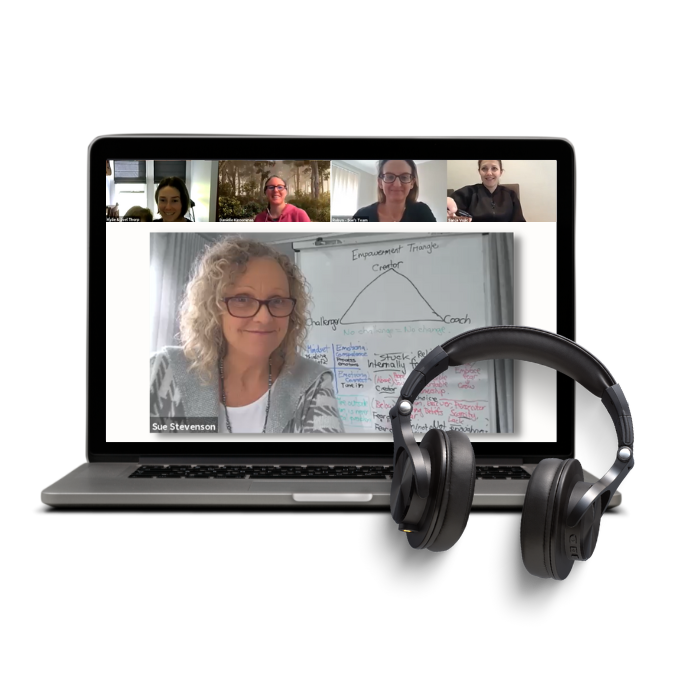
▶️ Watch now: Discover the exact framework that helps stop anxiety from ruling your child’s life, without relying on outdated methods.
Inside, I’ll walk you through proven steps to reduce anxiety, rebuild trust, and support your child back to emotional safety and school readiness without pressure, fear, or burnout.
You’ve got this.
With care,
Sue :)
🎯 Action Steps
Here’s how to begin applying this straight away:
✅Pause before reacting– Even a few seconds helps you respond instead of react.
✅Validate one feeling out loud– Try: “I see this is really hard for you.”
✅Offer support or choice– Ask: “Would you like help or space right now?”
✅Don’t rush logic– Wait until their emotion settles before guiding.
✅Show up consistently– Progress comes from presence, not perfection.
💛 Each moment of empathy makes a difference.